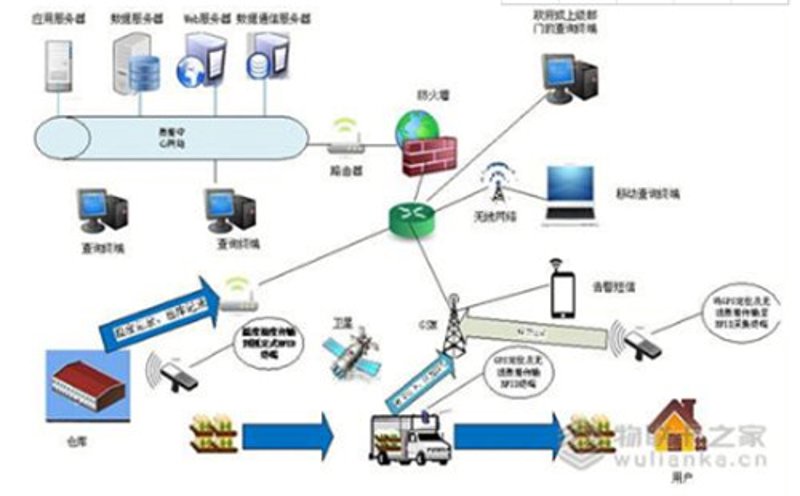
When embarking on a technology project, whether it's software development or system integration, finding the right solutions can be a daunting task. The term "solutions" in English might seem straightforward but can vary widely depending on the context and requirements of your project. Let’s explore how to identify and implement effective technological solutions.
Understanding Your Needs
The first step is to clearly define what you need from a solution. Whether it's improving efficiency, enhancing security, or ensuring scalability, understanding your specific needs will guide the selection process.
Evaluating Potential Solutions
Next, evaluate various solutions that could address your needs. Consider both software and hardware options. For example, if you are looking for a robust data management system, compare database management systems like MySQL and PostgreSQL based on factors such as performance, cost, and ease of use.
Selecting the Best Solution
Based on your evaluation, choose the solution that best fits your project’s needs. For instance, if you need a scalable system, consider cloud-based solutions like AWS or Azure which offer dynamic scaling capabilities compared to traditional on-premises servers.
Implementing and Testing
Once selected, implement the chosen solution in a controlled environment before full deployment. This allows for thorough testing and troubleshooting without disrupting ongoing operations.
Maintaining and Updating
Finally, ensure that the implemented solution is maintained and updated regularly to keep up with technological advancements and changing business needs.
In conclusion, effectively implementing solutions in technology projects requires a clear understanding of your needs, thorough evaluation, strategic selection, careful implementation, and ongoing maintenance. By following these steps, you can ensure that your technology project not only meets its initial objectives but also remains adaptable to future challenges.